
Act now to protect yourself against rising energy prices this winter
What’s going on with energy prices?
You may have seen reports from BBC News about a predicted 16% increase in the energy price cap on 1 January 2027.
This would come on top of a 4% rise from today, 1 October 2026 and the 13% increase in July. MoneySavingExpert is predicting an even higher rise in January, potentially above 20%, and estimates that average annual energy bills could soon exceed £2,000.
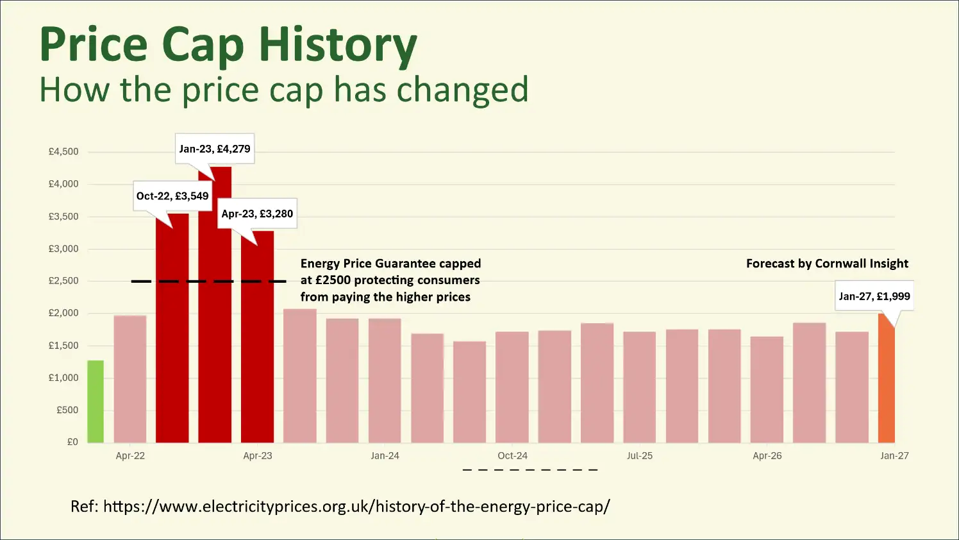
Diagram showing price cap change over time
Factors affecting UK energy prices
The UK Government, through Ofgem, limits how much energy suppliers can charge households by setting an energy price cap. This cap is based on the main costs suppliers face, including the wholesale cost of gas and electricity, the cost of distributing energy, government policy costs such as support for renewable energy, suppliers’ operating costs, a small profit margin of less than 2%, and VAT.
Recent international conflicts, particularly the war in Ukraine and Iran, have disrupted energy supplies and contributed to higher wholesale prices. The Government has attempted to reduce the impact of rising energy costs by cutting VAT. In addition, concerns have been raised about the UK’s future gas supply, with the Guardian reporting that domestic gas production could decline significantly by 2030.
For people already struggling to pay their energy bills, further price rises could add yet more pressure to an energy crisis that has affected households since 2021. With energy costs feeling increasingly unpredictable and often out of our hands, taking action now can help mitigate the impact of higher bills and reduce the risk of the mental and physical health problems associated with living in cold and damp homes.
Now, more than ever, it is important to know what you can do, what support is available and how to access it.
What can you do?
1. Switch tariffs and save money
Check if you can save money by switching your energy tariff. Compare deals to see if you can beat the current price cap and cut your bills. Visit MoneySavingExpert’s calculator to see how much you’re paying under the current price cap and find out if you should switch tariffs.
2. Make quick changes where you can
Optimise your boiler settings, stop draughts, avoid energy-guzzling appliances such as the tumble dryer, and turn off lights and appliances when they’re not in use. These simple, low cost steps can help, but they may not be practical for everyone, and you shouldn’t compromise your comfort or safety.
You can see our energy saving tips here. They’re a good starting point, but read on to find out about the bigger ways you could save.
3. Start with insulation before installing green technologies
Keeping more heat inside your home means using less energy to heat it, helping to cut bills and reduce your reliance on energy. The first step is to insulate the fabric of your home, including the walls , roof, and floors, to reduce heat loss. Once your home is well insulated, combining this fabric-first approach with renewable technologies and clean heating can reduce bills even further.
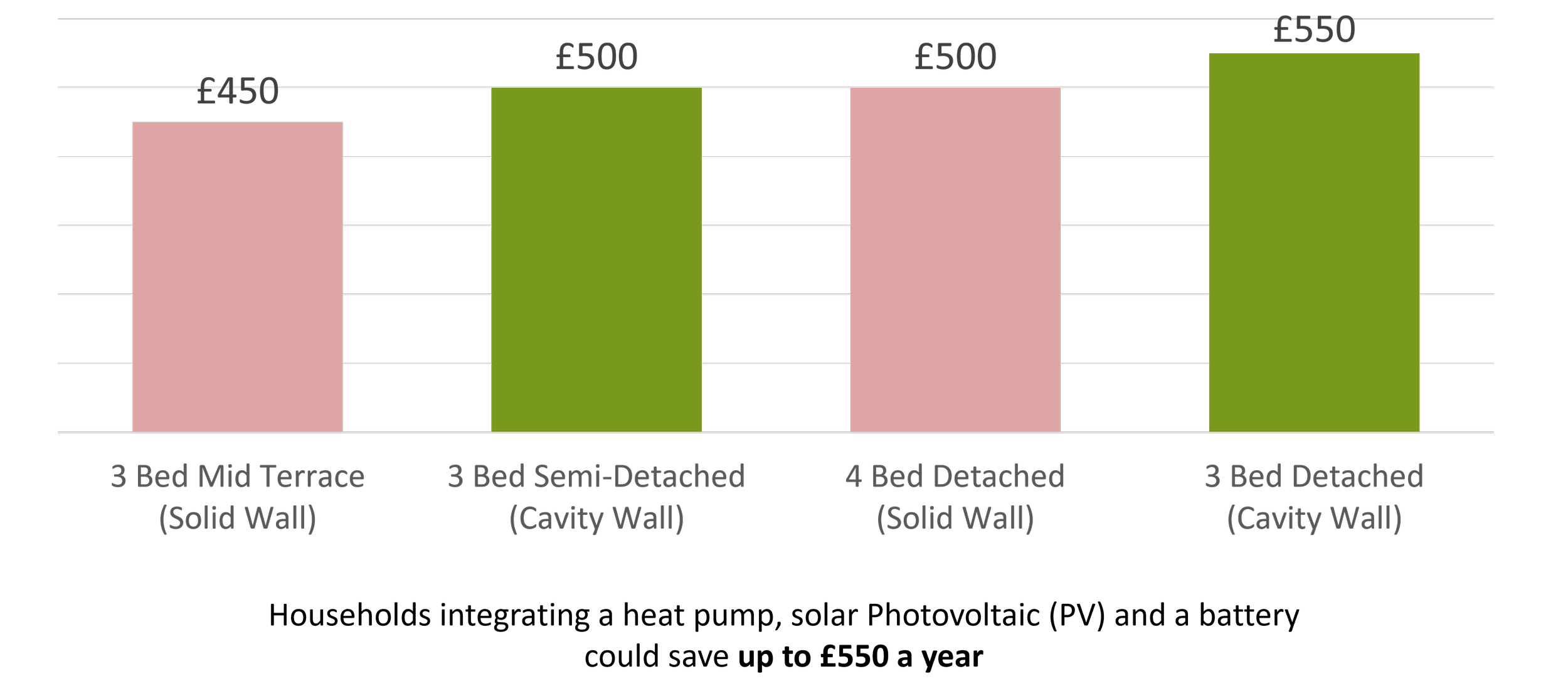
See our diagram to explore the potential savings across different house types and read on to find out what financial support could help you make these improvements.
Potential Annual Energy Bill Savings by house archetype
So, how do you make these improvements?
Whatever your financial situation, you don’t have to work it out alone. There may be support available to help with insulation, heating upgrades or renewable technologies such as solar panels and heat pumps. Finding the right scheme can be difficult, with different eligibility criteria and limited support for some types of work.
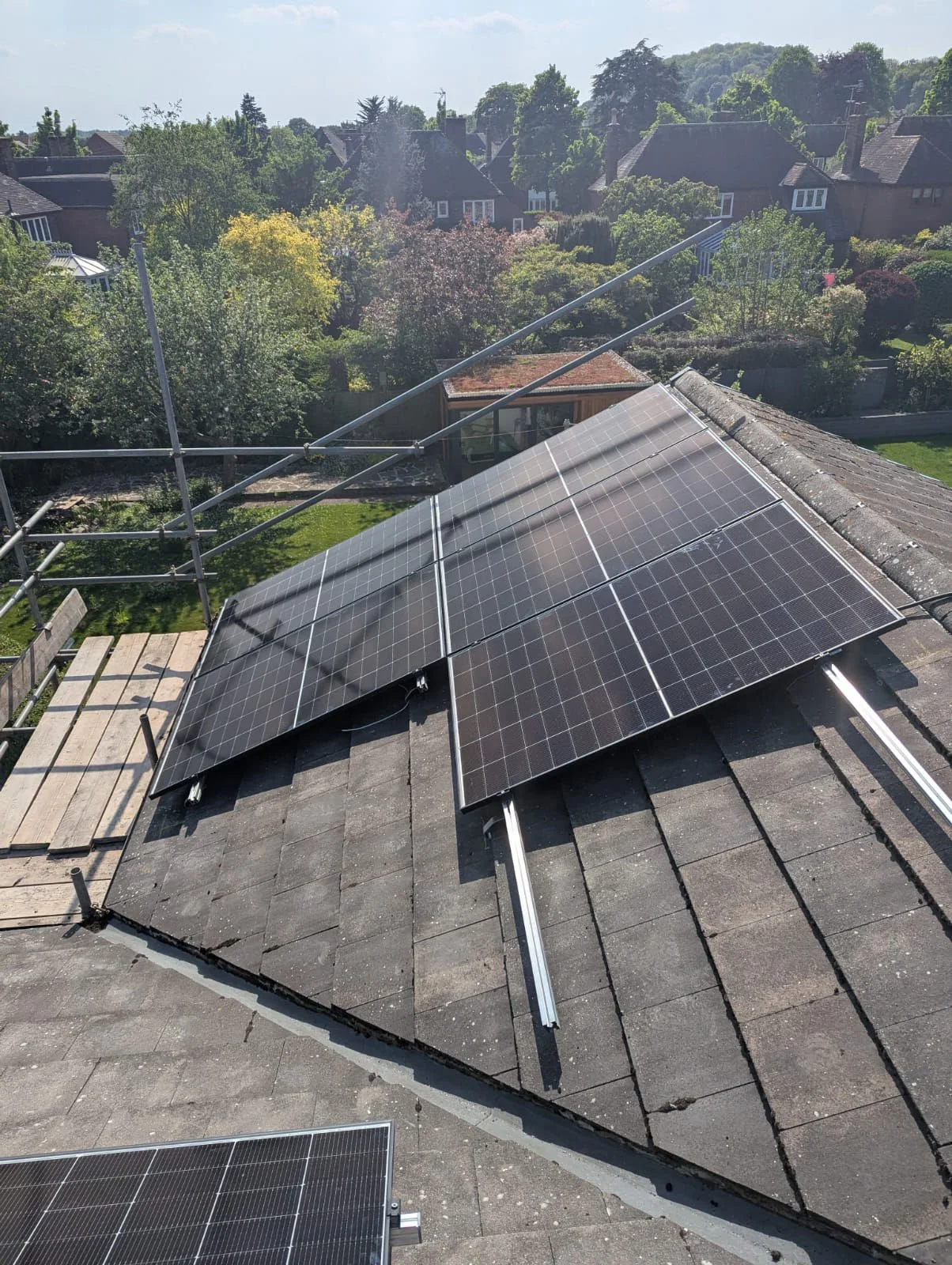
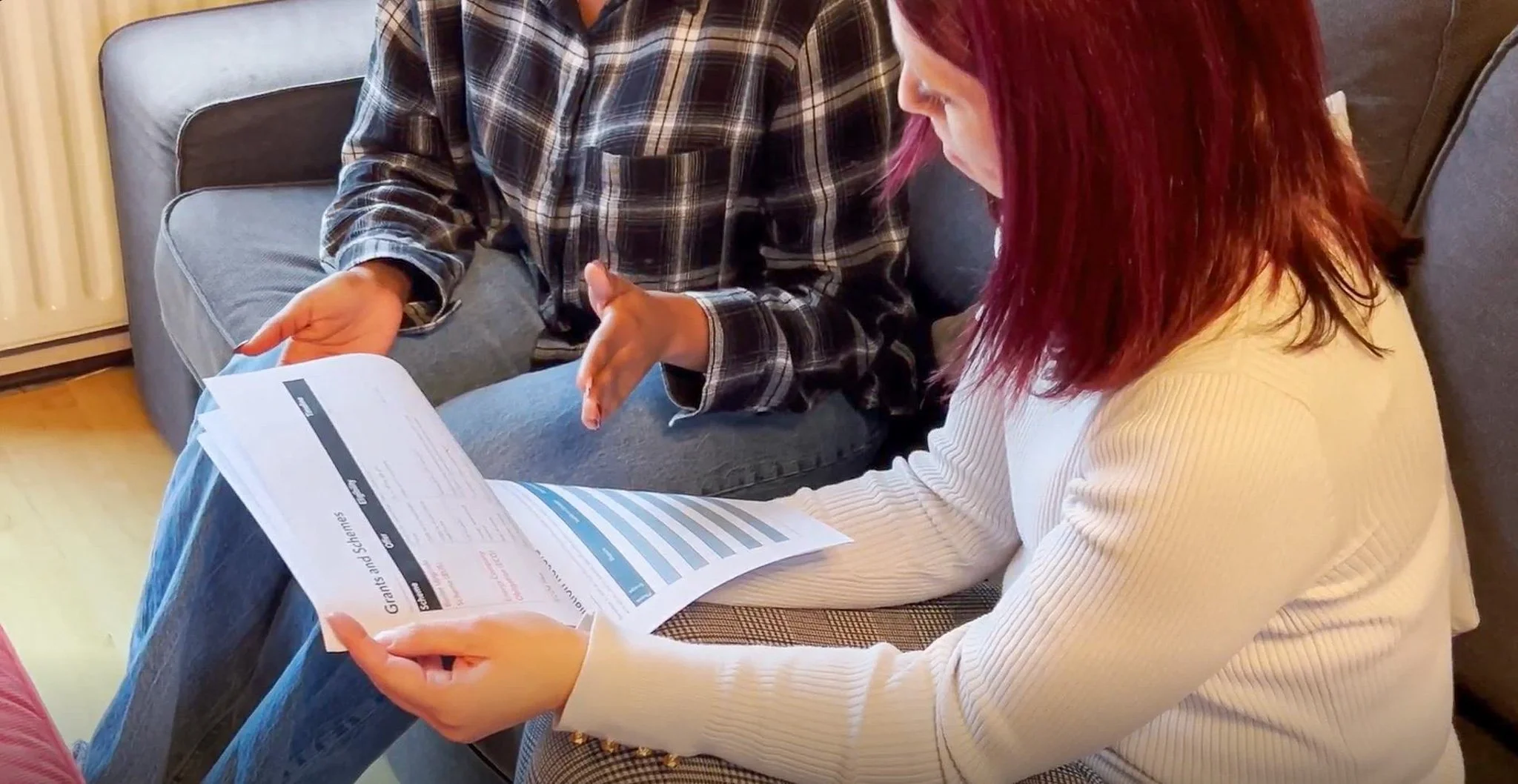
If you need financial support, our friendly team can help you understand what you may be eligible for and find the right route. This could include government-funded support for insulation, solar panels or heat pumps through the Warm Homes Local Grant, our own boiler replacement and repairs scheme, or other help with essential home repairs.
We can also support people struggling with energy, water or fuel bills and make food bank referrals. Get in touch to find out more.
If you’re able to fund improvements yourself, our Home Energy Advice Team (H.E.A.T) Hub, funded by Energy Redress, can help you work out where to start. The H.E.A.T Hub provides retrofit assessments and tailored home energy improvement plans, with recommendations specific to your property. These help you understand what improvements to make, and in what order, whether that’s insulation, heating upgrades or renewable technologies.
The H.E.A.T Hub also runs practical workshops and events where you can access expert, in-person advice, get support to take the next steps and even learn practical skills. We can help you understand and implement your retrofit plan, as well as identify opportunities to reduce costs through available government grants, such as the Boiler Upgrade Scheme.
Access our resources
The support doesn’t stop once you’ve made a start. We provide resources, training and practical advice to help individuals and communities build the skills and confidence to take control of their energy and improve their homes.
This includes DIY retrofit training, home insulation guides, energy advice and training for individuals, community groups and social care professionals. Our low-cost Toolshare also gives you access to the tools you need for home improvement projects, while projects such as WiseGrid explore how communities can take greater control of their energy.
By sharing knowledge, skills and resources, we can help more people make their homes warmer, more affordable to run and better prepared for the future, reducing their reliance on a changing energy market and helping them become greener and more efficient.
Ready to take the next step?
Find more information, practical resources and case studies by looking at our websites Resources section, or call us on 0115 985 9057 and one of our team can talk through your options.
You can also check out our events as part of the East Midlands Combined County Authority’s Festival of Retrofit, where we have an exciting calendar of events, ranging from retrofit parties to meet the contractor sessions, covering practical ways to boost your home’s energy efficiency. Find out more here.