
NEP’s response to the Government’s Local Power Plan: Supporting communities to take action
The Local Power Plan aims to change the way we produce and use energy.
The Government’s vision is that by 2030, every community in the UK will have the opportunity to benefit from, and take part in, a local energy project. For Nottingham Energy Partnership, this is an important step towards a fairer, cleaner and more locally focused energy system.
At its heart, the plan is about supporting more community owned clean energy projects. This could include solar panels on community buildings, local renewable energy schemes, or projects that help people use energy more efficiently. It could also help reduce running costs for community spaces and generate income that can be reinvested locally.
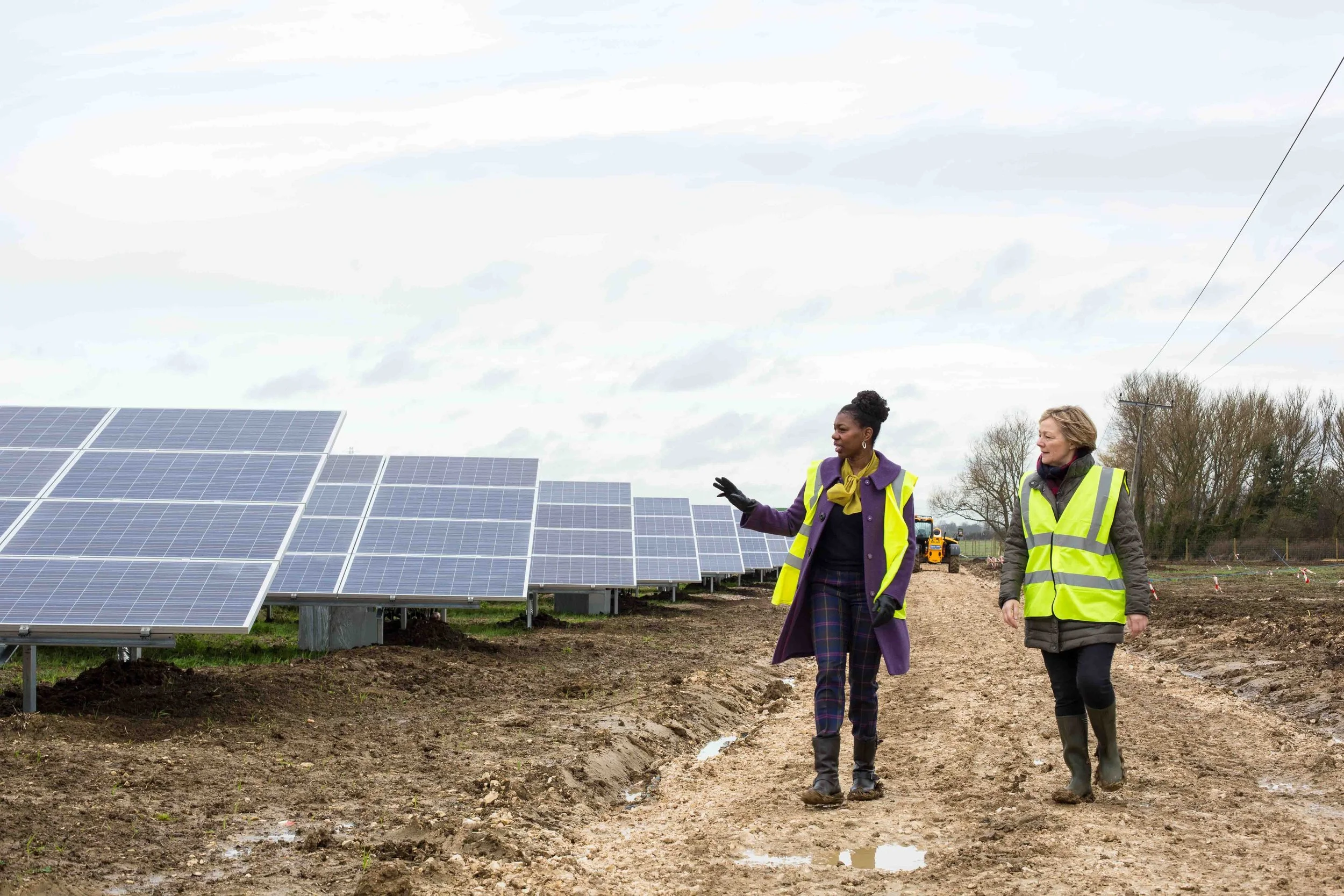
Langar Lane solar array is a community-owned 5MW solar farm in Colton Bassett.
Supported by Nottinghamshire Community Energy, it powers 1150 homes with clean green energy and provides a valuable income that can be reinvested in local projects.
What about the Local Power Plan?
The Local Power Plan is part of the UK Government’s wider clean energy programme. It sets out how Great British Energy will support community energy to grow.
It includes up to £1 billion of support through grants, loans, advice and technical expertise. The aim is to help community energy projects move from early ideas through to delivery.
This is important because many community groups already have strong ideas and local support, but still face barriers such as funding, technical knowledge, and the capacity needed to develop projects.
The plan is designed to make it easier for communities, local authorities and public sector organisations to deliver clean energy projects that work for local people.
What is community energy?
Community energy is about local people creating local energy solutions.
This could be solar panels on schools, churches or community centres, or community owned renewable energy projects that generate clean power for the local area. It can also include practical support such as energy advice, retrofit guidance, and local initiatives that help people reduce bills and improve home efficiency.
In some cases, it may also include shared energy systems, such as local battery storage, helping communities make better use of renewable energy and support each other during times of high demand.

Across the river to Trent Basin by John Sutton, CC BY-SA 2.0 <https://creativecommons.org/licenses/by-sa/2.0>, via Wikimedia Commons
Community Energy at the Trent Basin development houses Europe’s largest community energy battery, trading energy produced from on-site renewable sources to benefit homes across the development.
What could this mean for communities?
The Local Power Plan could help communities turn ideas into real, practical projects.
Community buildings such as schools, libraries, churches and leisure centres often face high energy costs. Local energy projects could help reduce these costs, making these important spaces more affordable to run.
Some projects may also generate income that can be reinvested into local priorities. This could include fuel poverty support, energy advice, building improvements, training opportunities, or wider community services.
There are also wider benefits. Community energy can help create local skills and jobs, reduce carbon emissions, strengthen community resilience and give communities more control over their energy future.
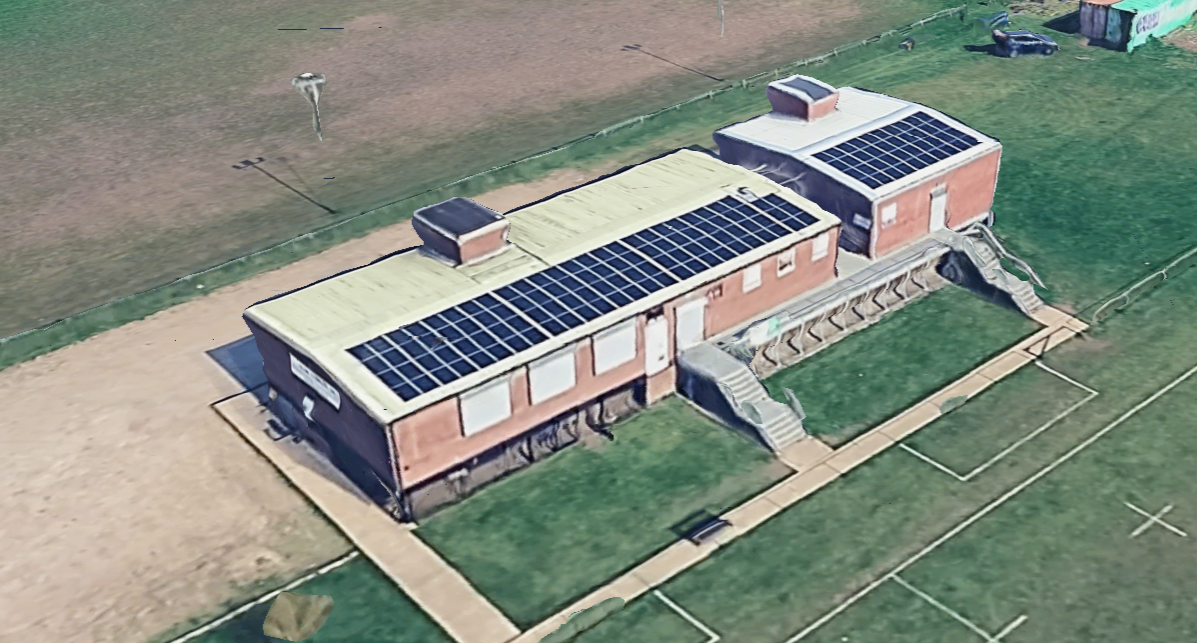
30kWh solar at Nott. Casuals Rugby Club, Beeston, funded by NCE Community Fund.
What could this mean for households?
For households, the Local Power Plan will not immediately reduce energy bills. The impact will depend on the type of projects developed locally and how benefits are shared.
Over time, it could help by increasing access to locally generated clean energy, supporting energy efficiency schemes, and improving access to trusted advice and support.
It can also help people feel more connected to the energy system and better understand where their energy comes from and how it is used.
How will the plan support community energy?
The plan will support community energy in several keyways:
Funding support - Grants and loans will help projects at different stages, from early development through to delivery and installation.
Advice and skills - Support will be available to help community groups build knowledge, develop plans and deliver projects with confidence.
Stronger business models - The aim is to help community energy projects become more financially sustainable over time.
Policy changes - Government will look at removing barriers, including improving grid access, supporting local energy sharing, and making it easier for communities to take ownership of energy projects.
Why does this matter?
Local ownership matters because it helps keep the benefits of energy within communities. In practice, this can mean lower running costs for community buildings, income for local projects, and more support for residents.
It also helps build trust. People are more likely to support clean energy when they can see clear local benefits and have a say in how projects are developed.
As the UK moves away from fossil fuels, it is important that the transition is fair, practical and easy to understand. Community energy can play an important role in making this happen.
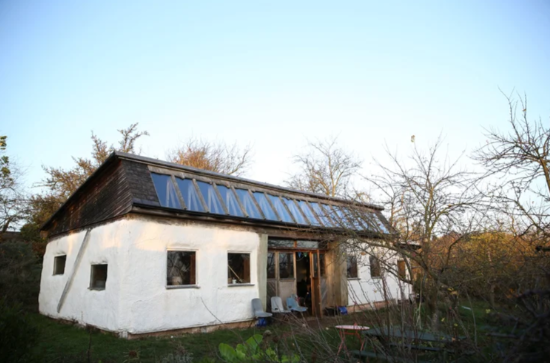
Ecoworks, St Anns - Solar Powered Lightning funded by NCE
Ecoworks is a small community group at St Anns Allotments running environmental activities to boost local health and wellbeing. They wanted more use from their straw-bale building, so applied for a grant for a solar-powered, off-grid LED lighting system with battery storage. The new lights let them run evening sessions.
Looking ahead
The Local Power Plan is a significant opportunity for community energy in the UK. It has the potential to help communities generate clean power, reduce costs, create local benefits and take greater control of their energy future.
For households, it offers a future where energy feels more local, more understandable and more connected to everyday life. For communities, it is a chance to ask a simple question: what could local power make possible here?
At Nottingham Energy Partnership, we will continue to support community led action that helps deliver warmer homes, lower bills and cleaner energy. We will also continue to share updates, guidance and opportunities as this work develops.