
Renewable & Low Carbon Technologies
Guidance to help you choose the right energy upgrades for your home
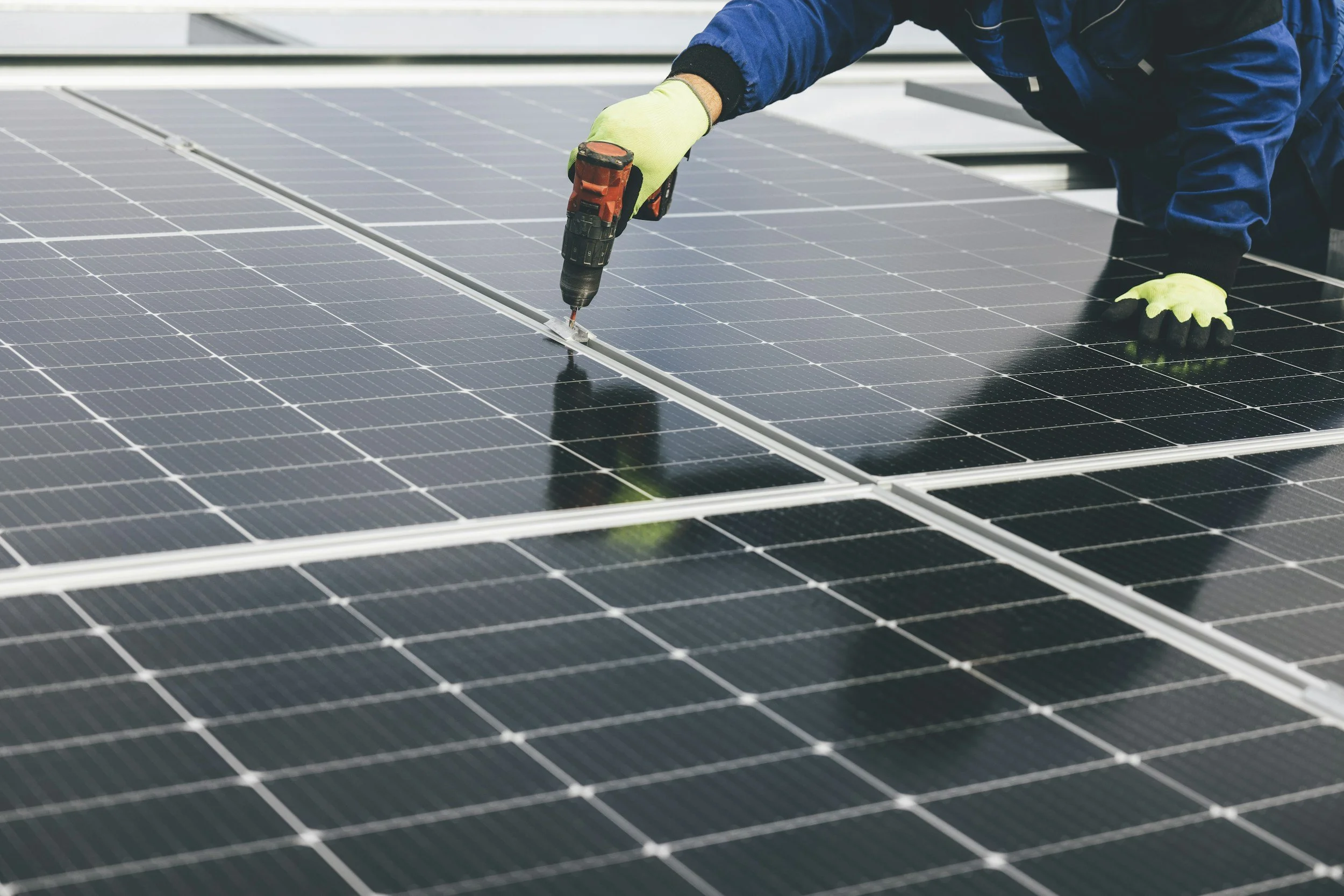
Are you thinking about upgrading your home with renewable or low carbon technology?

Solar panels, battery storage and air source heat pumps can help reduce carbon emissions, helping you save money and increase energy efficiency. But every home is different, so it is important to understand what technology is right for your property before starting work.
This guide will help you explore the main options, what to think about first, and where to find further advice.
1. Check if your home is ready
Before choosing a new technology, it is worth looking at your home as a whole.
Renewable and low carbon systems work best when your home is already using energy as efficiently as possible. This means thinking about insulation, ventilation, draught proofing, heating controls and how much energy you use day to day.
This is often called a fabric-first approach. It means improving the building itself before adding new technologies, so you can get better results and avoid unnecessary costs.
If you are planning renovation work, this can be a good time to consider energy upgrades too.
2. Choosing suitable technology for your home
Solar PV & Batteries
Photovoltaic (PV) panels can convert energy from the sun into electricity by means of PV cells. Installing solar panels lets you use free, renewable, clean electricity to power your appliances.
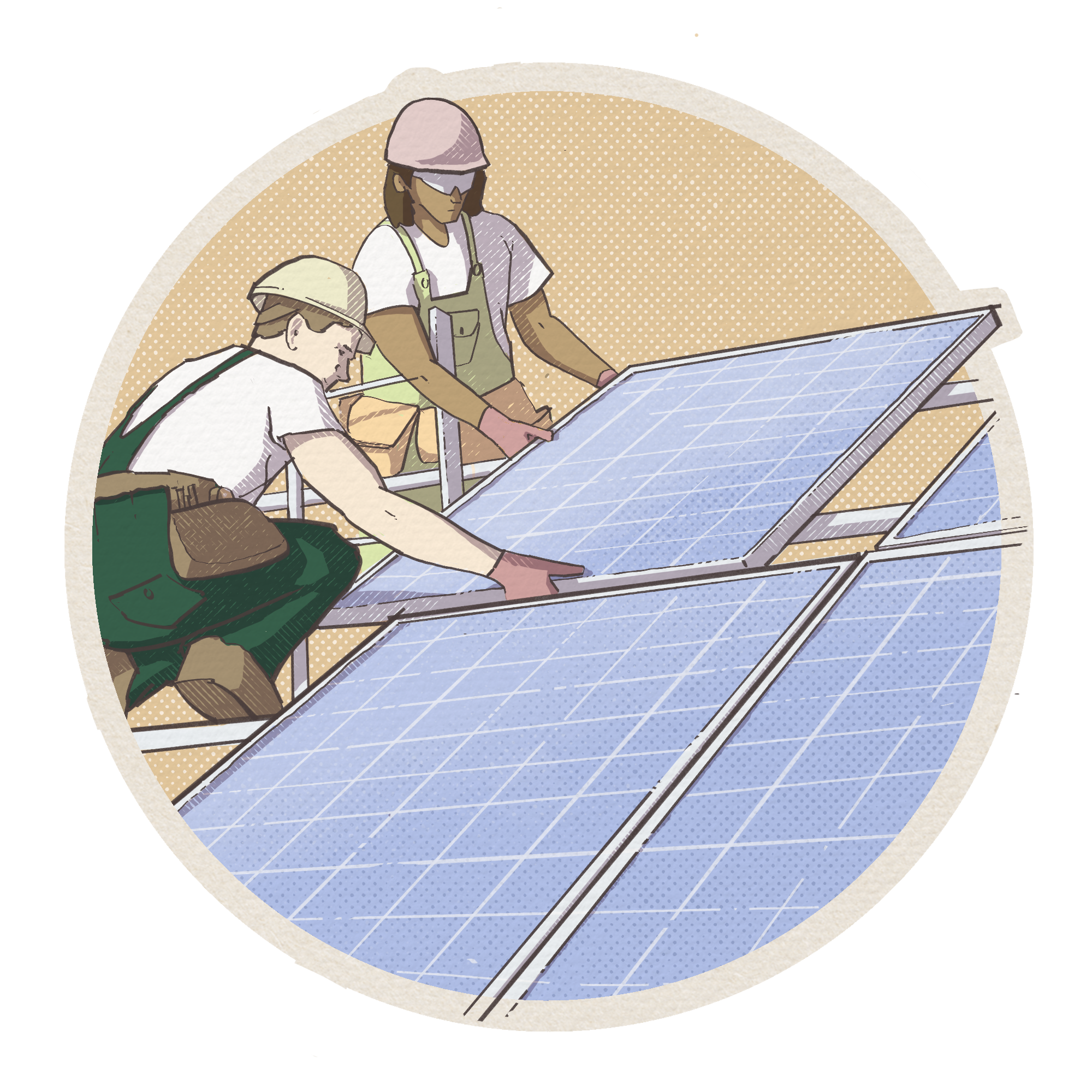
The Benefits of Solar PV
Generate your own renewable energy
Reduce your electricity bills
Lower your carbon footprint
Sell excess energy to the national electricity grid
Air Source Heat Pumps
Air source heat pumps (ASHPs) are a renewable heating technology that extract warmth from the outside air (even when it's freezing) to heat your home and provide hot water. Even if the air outside drops below 0°C, air source heat pumps are effective at extracting heat and warming the house.
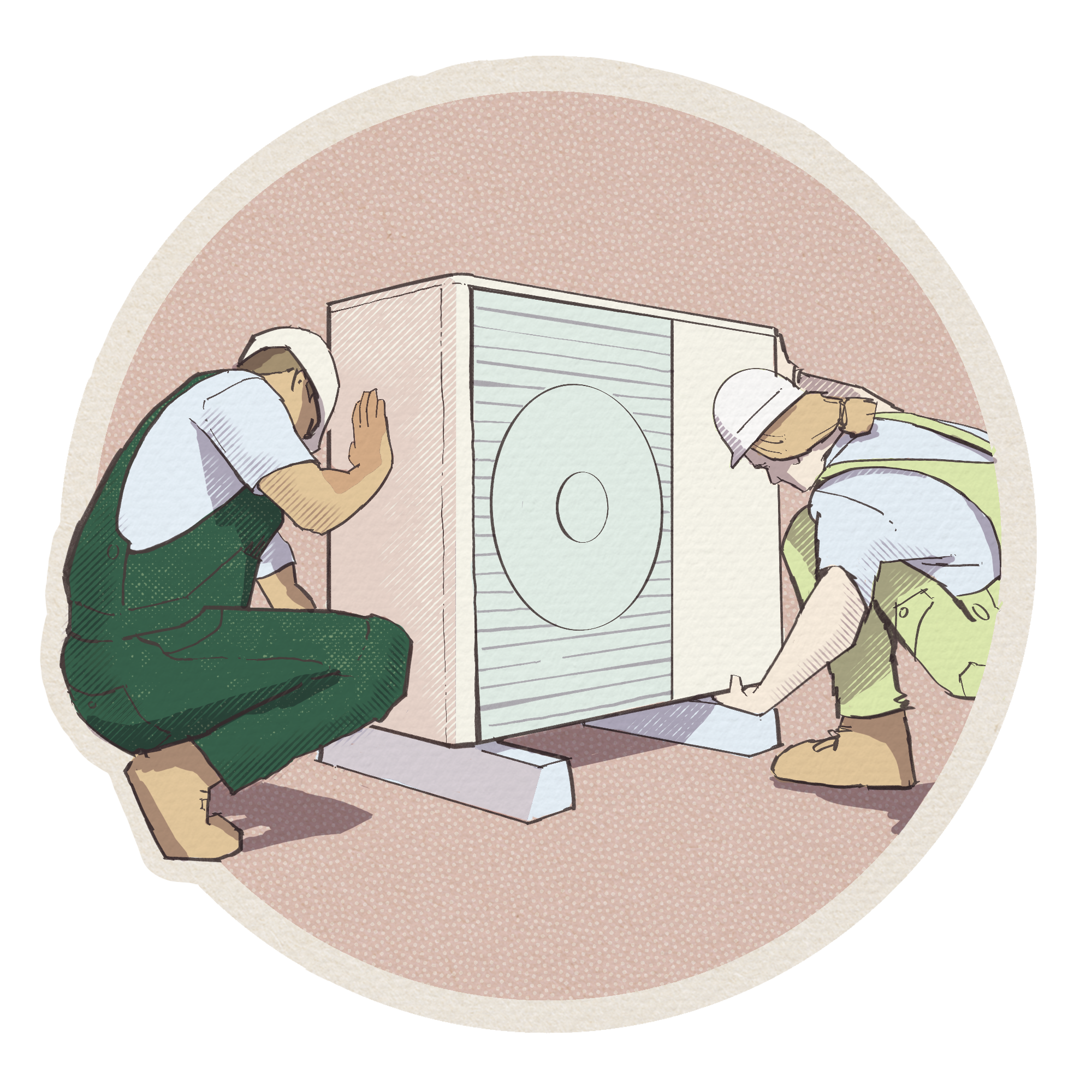
The Benefits of Heat Pumps
• Highly efficient, reducing your energy usage
• Potential financial savings on heating bills
• Low maintenance heating system
3. How to optimise the use of green energy
-
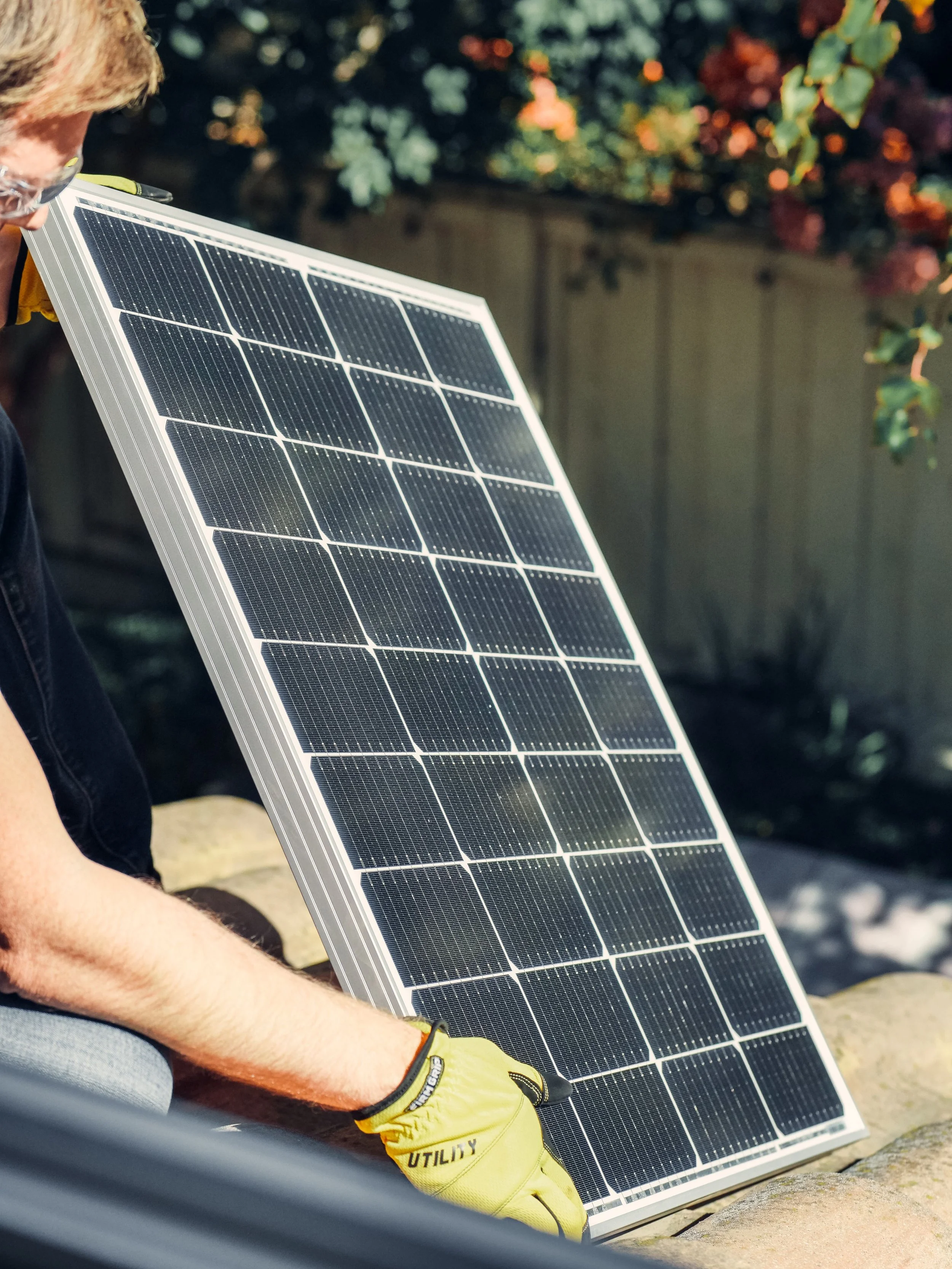
To make the most of the energy generated by your PV panels, try to use appliances that consume a lot of energy - such as washing machines, dishwashers and electric ovens - when the sun is shining. If you are not at home during the day to switch these on, consider setting delay timers - many appliances have these integrated. Technologies such as heat pumps and electric vehicles are also a great use of PV energy.
-
Larger energy companies are now obliged to offer a Smart Export Guarantee, whereby customers who generate their own energy are paid for the excess energy that they export to the grid. Currently the tariffs offered are significantly less than the tariffs charged to the consumer for buying electricity, so it best to use as much of the energy that you generate at home.
You can learn more about the Smart Export Guarantee here.
-
Rather than exporting excess electricity to the grid, it is possible to combine a PV system with energy storage to maximise how much of the energy generated is used in your home. Battery storage can be expensive, however the technology is rapidly developing and prices are falling. Alternatively, excess PV energy can be used to heat water via an immersion diverter. This technology requires the property to have a hot water cylinder, which are less common in houses with newer heating systems, however can be installed.
Need tailored advice on solar panels or heat pumps?
Low carbon and renewable technologies can be a great way to make your home more efficient, reduce carbon emissions and take more control of your energy use.
If you are not sure where to start, we offer free advice tailored to your home. We can help you understand what type of solar array or heat pump may be suitable, what it could cost, and what to do next.
Learn more about what we offer, or visit the Home Energy Advice Team Hub to find out more.
Need financial support with improving your home’s energy efficiency?